Loading...
Serving Key West, FL and surrounding areas. (645) 300-7745
Coral rock ground, salt air, and hurricane season make Keys fencing projects different. We install farm and ranch fences that hold up here - with permits handled, site conditions assessed before we quote, and materials selected for this specific environment.
Farm and ranch fencing in Key West means installing livestock containment, property boundary, or pasture fencing on parcels where the ground is mostly coral rock and limestone - and where salt air, humidity, and hurricane season require materials and post-setting methods that most mainland contractors are not prepared to use. Straightforward projects on clear lots typically take one to three days on site; sites with rocky ground, irregular boundaries, or permit requirements from Monroe County can take longer.
In the Florida Keys, farm and ranch fencing often serves hobby farms, small horse or livestock properties, and larger estate parcels where animals and open land need clear boundaries. The University of Florida IFAS Extension publishes widely-used guidance on fencing systems for livestock in Florida - including which materials and configurations hold up in humid, coastal environments. We match fence type to animal and property, not the other way around. For properties that also need a dedicated pool enclosure, pool fence installation is a separate service we handle alongside perimeter fencing.
Walk your fence line and give each post a firm push. If it rocks or leans noticeably, it has likely rotted or shifted in the ground. In Key West's humid, salt-air environment, this happens faster than most homeowners expect - especially with older untreated wood posts that were installed before coastal-grade materials became standard.
Sagging wire means the tension is gone, which means determined animals can push through or get tangled. Rust is not just cosmetic - once corrosion starts in a coastal environment, it spreads quickly. Orange or brown staining near the base of a wire fence, where moisture collects, is a sign structural failure is not far behind.
If you are bringing in chickens, goats, horses, or other livestock and you do not have a fence designed to contain them, you need one before the animals arrive. The fence type that works for one animal does not always work for another - and arriving at a rushed decision the day before delivery rarely ends well.
After a hurricane or tropical storm, fence damage is easy to overlook if the posts are still standing. But bent wire, cracked rails, and posts that shifted even slightly in the ground are all signs of structural compromise. A fence that looks mostly fine after a storm may not hold through the next one in a location as exposed as Key West.
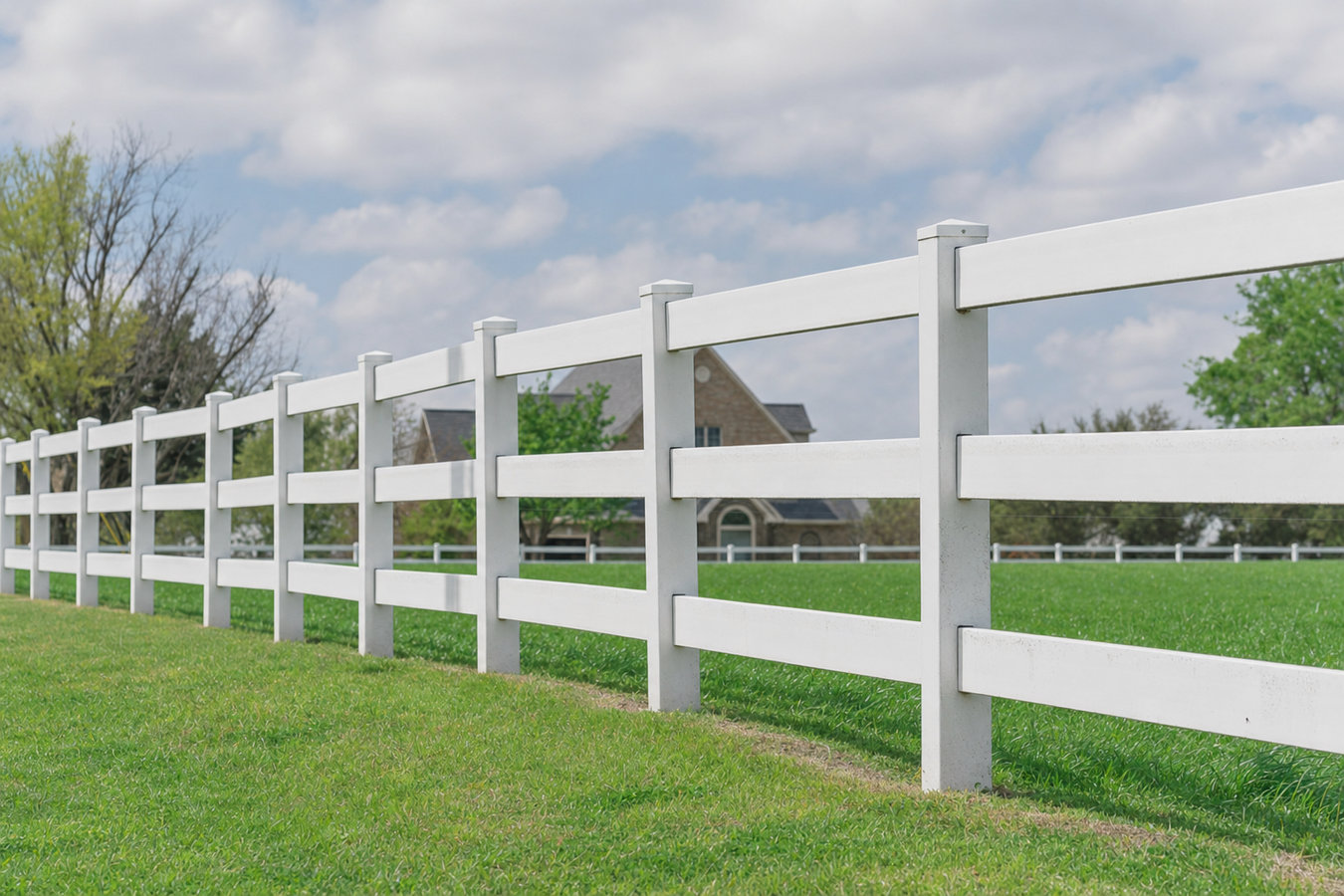
We install the full range of farm and ranch fence types used on residential and rural properties in the Florida Keys. Woven wire fencing is the most secure option for smaller animals like goats, chickens, or dogs - the grid pattern prevents squeezing through or pushing the fence out of shape. High-tensile wire covers large acreage at a lower cost per linear foot than woven wire, and with proper post spacing and tensioning it holds up well even in wet-ground conditions. For horse properties, board or rail fencing is the standard choice - it is highly visible to the horses, allows airflow, and looks right on a larger rural parcel. We use pressure-treated lumber and galvanized or vinyl-coated wire throughout, because materials that would last decades on the mainland degrade quickly in salt air if they are not rated for coastal exposure. For properties that need interior boundaries as well as perimeter fencing, we can also install cross-fencing to divide pastures or separate different animal groups.
Gates are where a lot of farm fences fail, and we pay close attention to hardware selection and hanging technique. A gate that sags, drags, or swings open on its own is not just inconvenient - it defeats the purpose of the fence. We size every gate for the equipment or animals that need to pass through and use hinge and latch hardware rated for the load and the coastal environment. If you are also considering a more open perimeter approach for sections that do not need to contain animals, chain link fence installation is a lower-cost option worth comparing, especially for utility areas or vehicle access points. Pet and dog fencing is also available for smaller animals that need a different wire gauge or fence height than standard livestock configurations.
Best for smaller animals like goats, chickens, and dogs - grid pattern resists pushing and squeezing.
Cost-effective coverage for larger properties where the goal is a secure perimeter across significant linear footage.
Horse properties and larger estate parcels where visibility, aesthetics, and airflow all matter.
Properties with multiple animal types or rotation grazing needs where interior boundaries are required.
Every fence opening - sized, hung, and latched correctly for the load and animal pressure it needs to handle.
Properties in Key West and the lower Keys where Monroe County high-wind requirements apply to fence post depth and anchoring.
The combination of factors at work in Key West - limestone rock just inches below the surface, salt air that corrodes untreated metal quickly, hurricane exposure that demands secure post anchoring, and a Monroe County permit process that moves at its own pace - means that experience on the mainland does not automatically translate to competence here. Standard post-hole equipment bounces off limestone. Standard steel wire corrodes in salt air before most homeowners expect it to. And contractors who are not familiar with Monroe County's permitting process routinely underestimate how long permit approval takes, which delays the project and frustrates property owners who planned around a specific date. American Fence Association members commit to a code of ethics and ongoing training - it is one signal worth checking when evaluating contractors.
We serve rural and hobby-farm properties throughout the lower Keys. If your property is in Cudjoe Key or Big Pine Key, you face the same limestone substrate, the same salt-air corrosion risk, and the same Monroe County permitting requirements as Key West proper. Scheduling earlier rather than later - especially before hurricane season picks up in June - is worth doing if you want to avoid waiting weeks for an available crew.
We respond within 1 business day. We will ask a few questions about your property, what you are fencing in or out, and whether you have had any survey work done. This helps us understand whether your project is straightforward or has complications - like rocky ground or permit requirements - before we ever visit the site.
We walk your property before quoting. In Key West, this step matters more than on the mainland - we confirm ground conditions, identify any limestone drilling requirements, and check your property lines. Your written estimate breaks out materials, labor, permit fees, and any site prep so there are no surprise line items on the final invoice.
If your project requires a Monroe County building permit, we handle the application. You sign off as the property owner, and we manage the submission and track the approval status. Permit timelines in Monroe County vary - we factor this into your schedule from the start so the installation date is realistic, not optimistic.
The crew sets corner and gate posts first, then works along the line. Expect one to three days for most residential projects, depending on site conditions. We stay present for any required county inspection, and we walk the entire finished fence with you before leaving - testing every gate and checking every post - so you are confident in the work before we pack up.
We respond within 1 business day - no obligation. We walk your property before quoting, account for the ground conditions, and handle the Monroe County permit from start to finish. Fill out the form and we will be in touch to schedule your site visit.
(645) 300-7745We do not quote farm fencing in Key West without first walking your property. The limestone substrate, parcel shape, and ground conditions vary too much for a reliable number to come from a phone call. You get a written, itemized estimate that reflects your actual site - so the price you sign is the price you pay.
We use pressure-treated lumber rated for ground contact and galvanized or vinyl-coated wire throughout - because materials that hold up in Orlando or Miami will not last as long in Key West's daily salt-air exposure. We will tell you specifically what we are using and why it is the right choice for your property.
We handle the Monroe County permit application and stay current on approval status - so you are not navigating the building department on your own. Permit timelines here are not the same as on the mainland, and we build the realistic wait into your project schedule from the first conversation.
Demand for fencing in Key West picks up every spring as homeowners prepare before June. Booking in February or March gives you the best window to secure a crew date and have your fence completed before the season begins. Post-storm demand also creates backlogs - scheduling early avoids both problems.
These are not generic selling points - they are specific to how farm and ranch fencing works in the Keys. If you have questions about your property before scheduling, call (645) 300-7745 and we will give you a straight answer.
Other fencing services we install in Key West and the surrounding Keys.
Dedicated fencing for dogs and smaller pets - different wire gauge, height, and gate hardware than standard livestock configurations.
Learn MoreA lower-cost option for utility areas, vehicle access points, and property sections that do not need to contain animals.
Learn MoreSpots fill fast in spring - book your free on-site estimate now and we will have your fence quoted, permitted, and installed before the season begins.